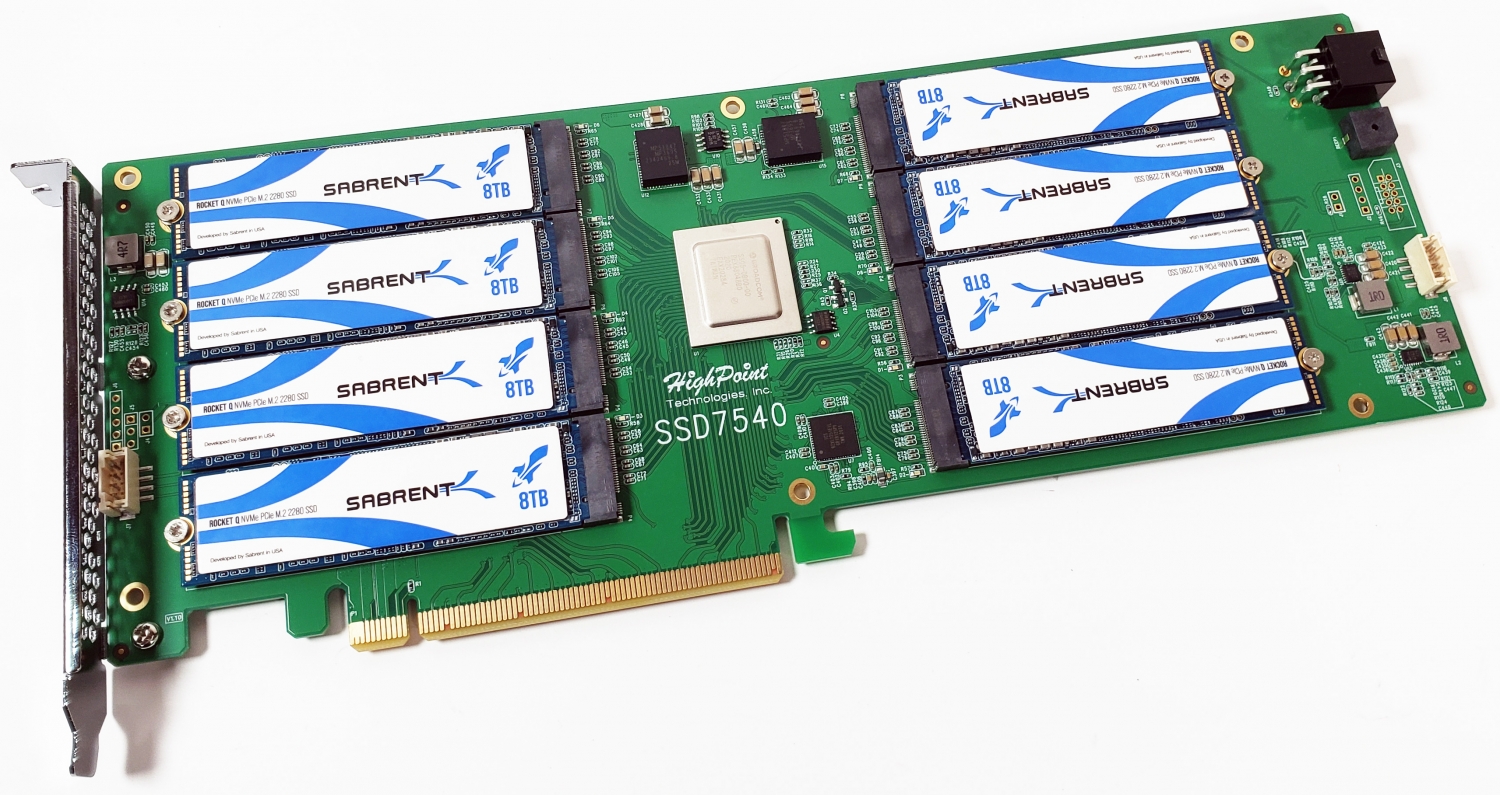
PasswordPump v2.0 Can Manage Credentials for Up to 250 Accounts

The USB device is outfitted with a pair of removable EEPROM chips that store credentials using AES-256 encryption.

It’s not uncommon for most PC users to have multiple accounts and passwords for a host of different sites and applications. Trying to remember all of those credentials can be a pain or a downright disaster if passwords are forgotten, not to mention hackers could steal any sensitive information. To that end, the safest and easiest way to manage website passwords and other credentials are to store that information offsite, rather than locally or in the cloud.
Read more…

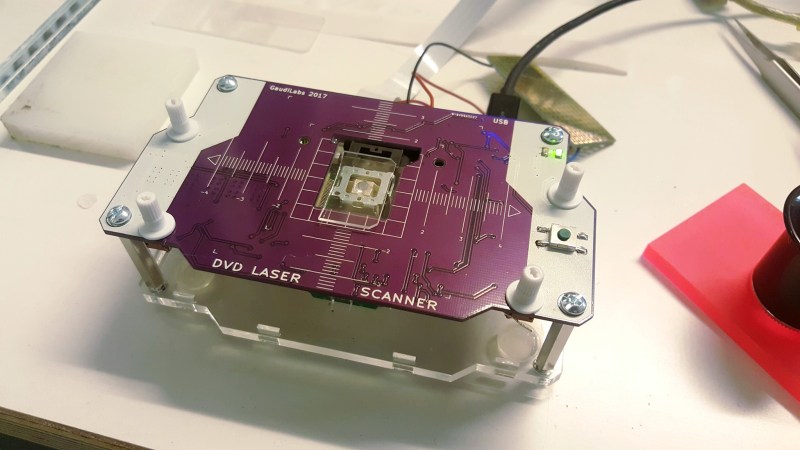
DVD Optics Power This Scanning Laser Microscope

We’ve all likely seen the amazing images possible with a scanning electron microscope. An SEM can yield remarkably detailed 3D images of the tiniest structures, and they can be invaluable tools for research. But blasting high-energy cathode rays onto metal-coated samples in the vacuum chamber of a bulky and expensive instrument isn’t the only way to make useful images, as this home-brew laser scanning microscope demonstrates.

Read more…

Thermoelectric Cooler On The RaspberryPi 4! Super Low CPU Temps With Science!

In this video, I test out a Thermoelectric cooler on the Raspberry pi 4 and it worked out really well even when the Raspberry pi is overclocked, it’s actually the best cooler I’ve tested on the I so far. This Cooler uses the Peltier effect and is actually classified as a solid-state active heat pump, It transfers heat from one side of the device to the other using electricity. Basically when you apply power to the heatsink one side gets really hot and one side gets really cold.

The thermoelectric device I use in the video is a low power version but the cold side can still get down to 8 degrees Celsius.

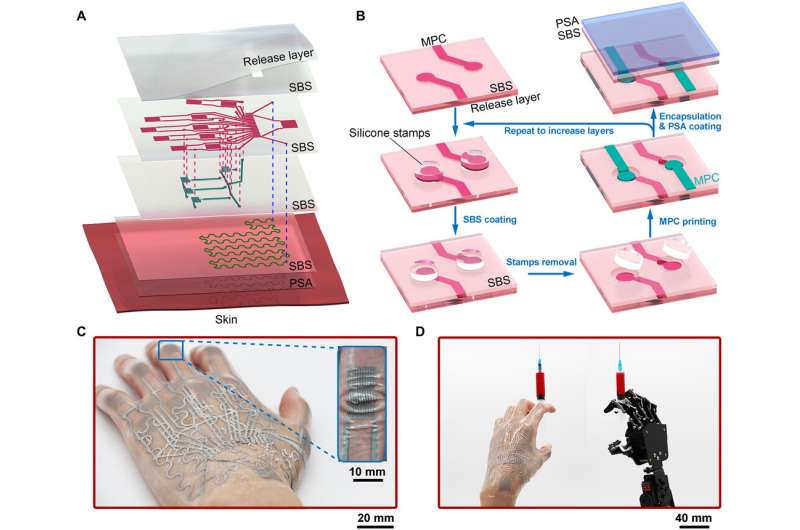
Electronic transfer tattoo with a crease amplification effect

Electronic tattoos can have applications during health and movement sensing on human skin. Nevertheless, the existing versions are nonconformal, sticky and multi-layered. In a new report, Lixue Tang and a research team in biomedical engineering and nanoscience in China achieved the multilayer integration of an 800 percent stretchable, conformal and sticky electronic tattoo. The construct allowed the crease amplification effect, which amplified the output signal of the integrated sensors by three times. The team showed the possibility of transferring the tattoo to a different surface to formed a firm attachment without solvent or heat. The researchers used a straightforward method to fabricate the tattoo based on a layer-by-layer strategy with two materials used to fabricate the circuit mode within the tattoo. The three-layered tattoo integrated one heater and 15 strain sensors for temperature adjustment to monitor movement and to remotely control robots.

Read more…

Building A Water Cooled Raspberry Pi 4 Cluster

I built a water cooled Raspberry Pi 4 a couple of weeks ago. This was obviously crazy overkill for a single Raspberry Pi, but it isn’t actually why I bought the water cooling kit, I bought it along with 7 other Raspberry Pis so that I could try building my own water cooled Pi Cluster. I’ve really enjoyed the past few weekends putting it together. So, here’s a video of my Pi 4 cluster build, I hope you enjoy it!

For the full write up of the build, visit my blog – https://www.the-diy-life.com/building…

Hands-On with the RP2040 and Pico, the First In-House Silicon and Microcontroller From Raspberry Pi

The RP2040, Raspberry Pi’s first in-house silicon, debuts on the Raspberry Pi Pico, its first microcontroller board — and it’s just $4.

The launch of the original Raspberry Pi in 2012 was the dawn of a new era of low-cost, easy-access single-board computers (SBCs). In the years since the Raspberry Pi family has grown both upwards, now on its fourth full generation, and outwards with a range of devices from the ultra-low-cost Raspberry Pi Zero family to the consumer-ready all-in-one Raspberry Pi 400.

Read more…

Robots Made of Ice Could Build and Repair Themselves on Other Planets

No matter how much brilliant work the folks at NASA and JPL put into their planetary exploration robots (and it’s a lot of brilliant work), eventually, inevitably, they break down. It’s rare that these breakdowns are especially complicated, but since the robots aren’t designed for repair, there isn’t much that can be done. And even if (say) the Mars rovers did have the ability to swap their own wheels when they got worn out, where are you going to get new robot wheels on Mars, anyway?

Read more…

Scientists Create the First Living Robot, Made from Frog Stem Cells

Scientists have invented the first ever living robots. The robotic devices are made from the embryonic skin and heart cells of frogs. They’re known as Xenobots, getting their name from the African clawed frog, Xenopus laevis, whose stem cells are used to make the robots. This species of frogs is found in the streams and ponds of sub-Saharan Africa, where they search for food. The frogs are renowned for their claws that they use to tear the food they find.

Read more…