Oracle Builds a Supercomputer with 1,060 Raspberry Pi Computers

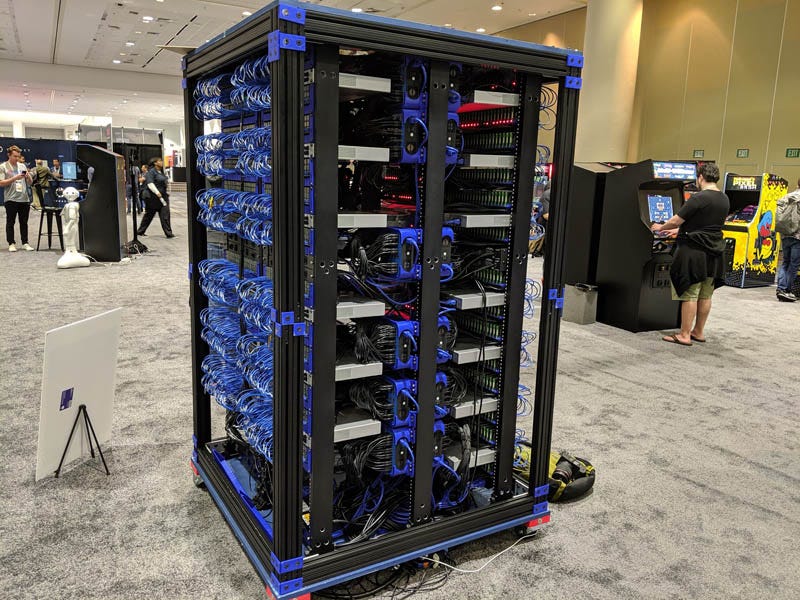
Raspberry Pi is definitely the world’s most popular single-board computer brand, and that popularity is primarily a result of their low cost and small size. Those factors make Raspberry Pi boards ideal for compact projects, and for portable devices in particular. Oracle, however, has taken the complete opposite approach and built a supercomputer made from a cluster of 1,060 Raspberry Pis.
Read more…

The Probe-Scope Is a 60MHz 250Msps Oscilloscope That Fits in Your Hand

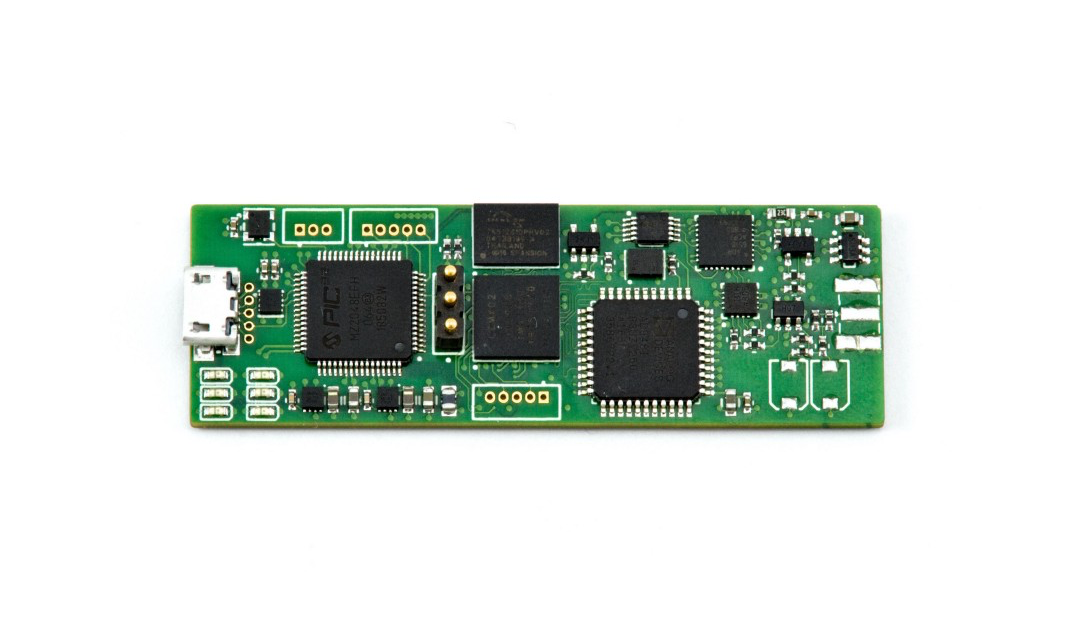
A year ago, electrical engineer Mark Omo unveiled his 1 Square Inch 20Msps Oscilloscope designed around a PIC32MZ EF, which used its internal ADCs in an interleaved mode to gain that 20Msps. It even had an integrated 1-inch X 1-inch OLED screen for the readouts. Now he’s back once again with another oscilloscope project, the Probe-Scope, a self-contained 60MHz 250Msps oscilloscope and probe in cable form factor — meaning all the acquisition hardware is contained along the cable.

Read more…

8bitdo SN30 Pro Plus Review – The Best 8Bitdo Controller Ever!

The New 8Bitdo SN30 Pro + controller is defiantly the best 8Bitdo controller ever made! Amazing D-pad Build quality and Buttons, Pus it’s fully customizable using the All-new 8Bitdo ultimate customization software for Windows or MAC. Whether you need a new Wireless or wired controller for an Android Phone or Tablet, The Nintendo Switch, Raspberry Pi, Windows PC or Mac The SN30 Pro + from 8Bitdo has you covered!

Buy Classic Edition
Buy SN Edition
Buy Black Edition

balena releases first fully functional 64-bit OS for the Raspberry Pi 4

Today, we are excited to announce the release of 64-bit balenaOS for the Raspberry Pi 4, providing support for the full 4GB of memory and allowing the simultaneous, side-by-side running of 32-bit and 64-bit Docker containers – a first for the Raspberry Pi 4!

BalenaOS is an open-source, minimal, Yocto Linux-based host OS tailored for containers. It enables a fast and modern workflow for many different embedded device types, now including the Raspberry Pi 4, in a delicious new 64-bit flavor.

Read more…

LumiWatch Is a Wearable That Projects a Touch-Capable Interface onto Your Arm

Wearables have a lot of potential for making our various tech gadgets integrate more seamlessly into our lives. Smart watches are a great example of that — the newest Apple Watch is practically an iPhone in its own right. But, the Apple Watch, like all smart watches, has a pretty glaring drawback: the small screen.

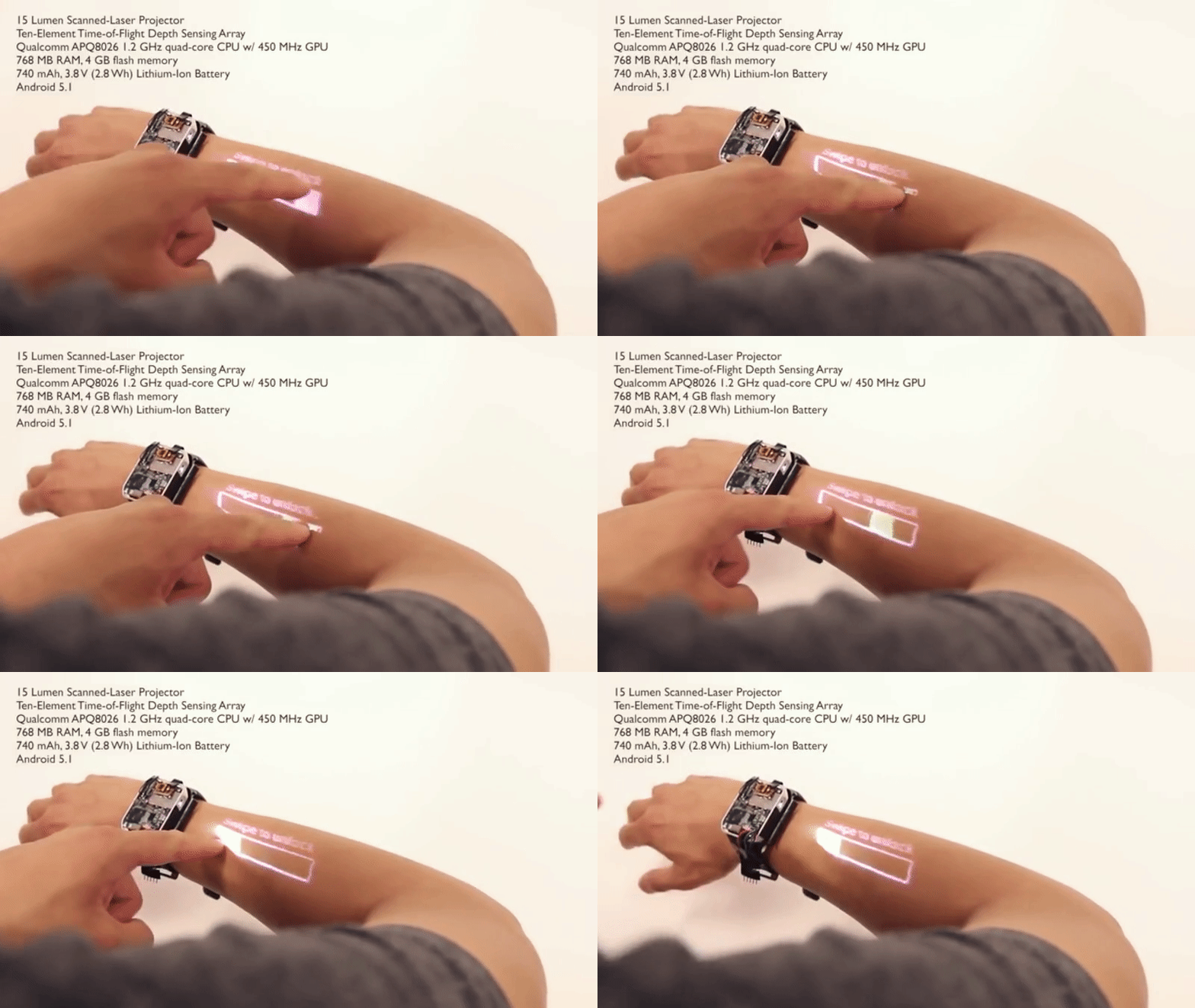
LumiWatch is designed to overcome that limitation by projecting the screen across your entire lower arm. The device itself resembles a traditional smart watch, but instead of the screen being on the watch face, it’s projected onto your arm with a 15 lumen projection module. That projector is able to effectively turn your arm into a 40cm² display that’s many times larger than any smart watch on the market.

Read more…

The Ultimate Storage Monster: 32 SATA Ports On A Single Motherboard

Chinese motherboard vendors are widely known for creating unorthodox products. For example, Soyo put out an H310C motherboard that supports up to four generations of Intel processors, or Huananzhi, which slapped DDR3 and DDR4 slots on an X99 motherboard. The list of unconventional motherboards continues to expand with Onda’s B250 D32-D3 motherboard.

Read more…

Faster Wi-Fi officially launches today

The next generation of Wi-Fi has been trickling out over the past year, but this week, its launch is going to accelerate. The Wi-Fi Alliance, the organization that oversees implementation of the Wi-Fi standard, is launching its official Wi-Fi 6 certification program. That might sound boring, but it means the Wi-Fi 6 standard is truly ready to go, and tech companies will soon be able to advertise their products — mostly brand new ones — as certified to properly support Wi-Fi 6.

Read more…

Electronic Filament Embeds Semiconductors Directly into 3D Prints

Researchers at MIT and elsewhere have created a 3D printing process that produces objects with the electronics already embedded inside.
The process uses customized fused deposition modeling (FDM) printers, but instead of melting the entire filament, only the outer polymer cladding is liquefied, leaving an internal electronics structure unaffected.

Read more…